New clients always get first 30-Min Booking free!

Yikes! My Dog Rattlesnake Avoidance Training Included Real Snakes!
Dog rattlesnake aversion training in Southern California didn't go down as I had expected. Read about the good surprises
Suzanne Delzio
4/8/20266 min read
When I signed up for dog rattlesnake avoidance training in my southern California town, I imagined rubber snakes on strings, bottled rattlesnake scent, and recorded rattle sounds.
I mean, they wouldn’t have real snakes slithering around. Would they?
If you live in Southern California, you’ve probably heard the warnings this spring: rattlesnakes are out, hikers are seeing more of them on trails, and dog owners are being urged to stay alert. In April 2026, three Californians have died from rattlesnake bites, and California Poison Control has received 77 reports of sightings and interactions.
Sweet Boy Herbie Encounters Bad Boy Snake
I had become alert to dog rattlesnake avoidance training one spring after a surprise encounter.
A year ago, my dogs were barking like crazy in the backyard. Grumbling, I finally jumped up from my computer where I had been engrossed in work. I grabbed the treat jar and stomped toward my porch door. I gasped on seeing my 15-pound white terrier mix, Herbie, standing nearly nose to nose with a fat rattlesnake. It swirled in a figure eight, winding and unwinding, flicking its tongue, and shaking those rattles like a conga player.
It looked enormous to me — at least four feet long, its body was as thick as my forearm. I scooped Herbie up, sprinted through my door, and dropped him inside. I ran out my back door to grab my other dog, Charlotte, who was barking from the far end of the yard. (She might be the smarter one.)
I’d recently had some work done under my porch, and I suspect that action disturbed the snake and sent it out into the open. I realized it had grown fat on a steady diet of the mice I constantly fought. At least this magnificent creature had managed to refrain from striking Herbie on the face.


Press play to see this big rattlesnake on my porch steps
Rattlesnake Wrangler to the Rescue
With one quick call, our local rattlesnake wrangler arrived with long tongs and a big garbage can. On the first try, he pinned the rattlesnake’s head, lifted the writhing creature off the step, and dropped it into the can while I stood on the porch clutching the can lid and squeaking, “Be careful, be careful, be careful!”
The wrangler later released the rattlesnake in a more rural area, and I was left with one very clear thought: I needed to get serious about snake safety for my dogs.

Paul, my snake-tonging hero!
What to Expect When You're Expecting Threat Simulations
When I heard about dog rattlesnake avoidance training taking place in Vista, I jumped at the chance. I pictured shaker cans, rubber snakes, bottled snake scent — all perfectly vanilla Fake Snake Theater.
When I pulled up to the rural Vista address, I saw three shaded stations set up across a large yard. Under each shade stood a young man. I thought, “That’s nice. The trainer wants to keep his assistants cool.”
After you, please…
The trainer had asked me to come early so I could watch the dog before mine go through the process. I’m glad I did.
Still imagining coiled lengths of painted rubber, I watched as the trainer put an “e-collar” on the dog. The collar was topped with a small box and had nubs on the side that came in contact with the dog’s neck.
The trainer turned to the dog owner, a young man clearly concerned about his nine-month-old shepherd. “If he doesn’t respond to the vibration setting,” the trainer said. “We go to the mild shock.”
“He’s pretty insensitive to pain,” the young man said. "I stepped on his foot the other day, and he just looked at me.”
I watched as the trainer pressed different buttons. “He’s not responding to the vibration, so are you ok going to the mild shock?”
The young man pursed his lipped and nodded. “We have a big, fenced backyard in Fallbrook. There are probably two snakes in there right now. We want him to be able to run.”
Suddenly, the shepherd yelped and practically did a backflip.
The trainer said, “Good. He’s reacting to a mild shock.”
The owner then guided the dog and owner through the gate and toward the first shaded station.
The sun glinted from something under the canopy. The object was swirling.
“Wait!” I said to the assistant beside me. “That’s a real snake?”
“They’re all real,” she said. “All six of them.”
I looked from station to station but could only see the one closest to me, the one the dog was approaching.
Wide-eyed, I watched the trainer instruct the young owner to walk the dog right up to the rattlesnake. As the dog sniffed the snake, the trainer applied the correction. Yelps and leaps followed. The dog bolted 15 feet from his owner and the snake before looking back to dad.
They repeated the exercise at the other stations, and after just a couple of exposures, the dog wouldn’t approach the snakes, even when the owner stood right next to them and called him.
“How can the dog even see those snakes out there?” I asked the assistant. “I can’t see them at all.”
“The dog isn’t seeing them,” she said. “He’s smelling them. He knows the scent now and that the shock comes when he smells it.”
"Oh, right. Their noses are 100,000 times more sensitive than ours."
The assistant nodded.
Our turn...
When it was finally our turn, I asked the trainer to put the collar on my hand first so I could feel what my dog would feel. He used the vibrate setting, and it felt like a buzz — sort of like a quick hit with a massage device. Nothing painful.
Then he placed the collar on Herbie and used that same vibrate setting. My dog immediately jumped and yelped.
“Good!” I didn’t want to feel the shock myself, and I definitely didn’t want my 15-pound dog to either.
I then said, in what I’m sure was not my bravest voice, “I don’t think I’m going up to those live snakes like that other guy, though.”
“Don’t worry,” the trainer said. “I’ve banded their jaws closed.”
The trainer told me to unleash Herbie and approach the first snake and snake handler under the canopy. Herbie stayed glued to my heel as we traversed the large, weedy yard, probably because we were in a strange place and I was radiating nervous energy. We walked right up to the snake, and I saw the bands criss-crossing its jaws. When Herbie leaned in to sniff, the trainer used the vibration. Herbie yelped and bolted away.
“Praise your dog,” the trainer said.
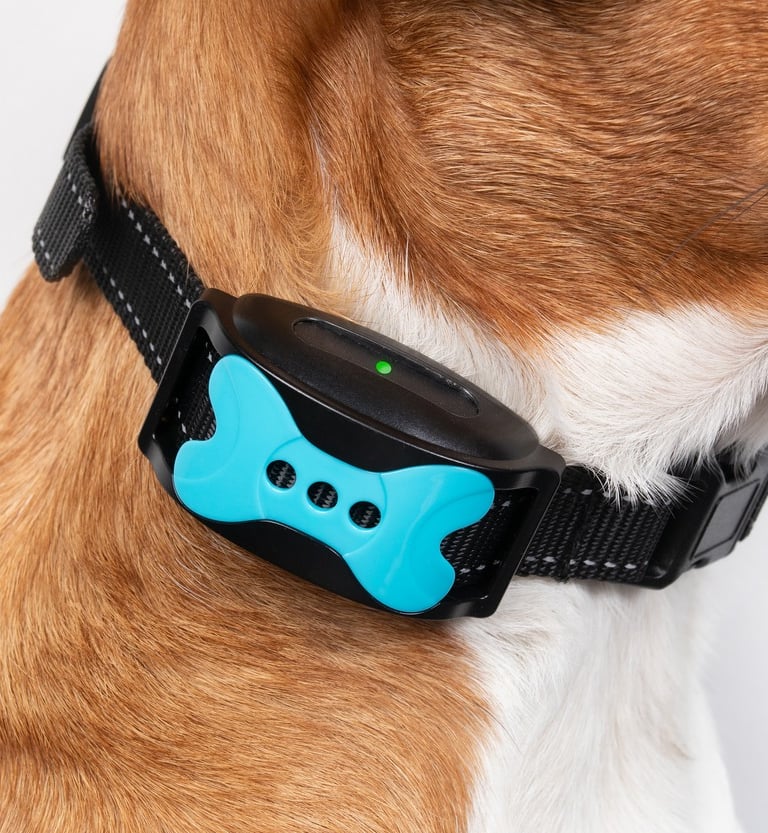
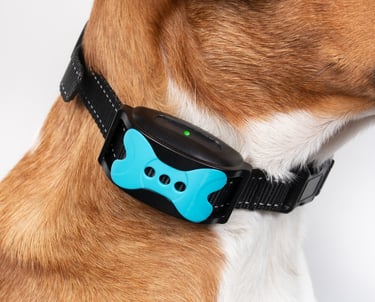
The e-collar vibrates or shocks
At the second station, we repeated the process. Another vibration, and Herbie swirled away and put a good 12 feet between himself and the snakes before turning around to wait for me.
Again, I praised him.
At the third station, the trainer asked me to keep walking toward the snakes while Herbie followed. This time, Herbie stopped about 15 feet away and refused to come any closer. I walked past the snakes, then called him to me from the other side.
With his nose to the ground and his eyes locked on the danger noodles, he made a wide, cautious arc around them before finally coming to me.
That was the point.
We repeated the approach a few more times. I got surprisingly comfortable stepping near the banded snakes, feeling badass. Herbie, however, never again wanted to be close to them.
My honest takeaway
After seeing it in person, I understood why dog rattlesnake avoidance training in Southern California can be a lifesaver for you and your dog.
Every year, 250 rattlesnakes bite humans every year in California, with 50 in Southern California alone. Because rattlesnakes are highly cryptic, biologists and snake‑removal specialists caution that you will usually only see a small proportion of the snakes present in an area, even on land that supports a healthy population
The training is designed to teach a dog to associate the scent, sight, and sound of a rattlesnake and instill an immediate “I’m out” response.
It was cool that Herbie seemed to learn fast. By the end, he was making his own decision to give the snakes a very wide berth, which is exactly what I want on a trail, near brush, or even in my own backyard.
Was it nerve-racking? Absolutely. Was it also fascinating? You bet.
Pets are magic, and honestly, so are dog rattlesnake avoidance trainers. To keep up with all the great things you can do with your dog, make sure to join our "Pets Are Magic" newsletter list. Every month, you get access to research on the human-animal bond, pet care tips, and notices about animal events in San Diego's North County Inland area.
You might also enjoy these posts:
7 Smart Ways to Protect Your Dog during Spring Rattlesnake Season
7 Escondido, San Marcos, Vista and Fallbrook Veterinary Hospitals that Carry Anti-Venin (not all do and quick intervention is critical. Put these numbers in your phone)
suz@countrysidepetsitting
760-239-9936
© 2025. All rights reserved.








Menu Credentials Contact Us Sign Up for Email