New clients always get first 30-Min Booking free!

7 Smart Ways to Protect Your Dog during Southern California's Spring Rattlesnake Season
It's rattlesnake season and 3 Californians have died from rattlesnake bites so far this spring. Use these tactics to protect your dog and yourself as you hike our trails.
Suzanne Delzio
4/22/20263 min read
Last month, the Los Angeles Times reported that a woman died after being bitten three times by a rattlesnake.
The 2026 rattlesnake season has started unusually early. California Poison Control received 77 rattlesnake-bite calls in the first three months of the year alone. Observers also reported snakes emerging from winter dens roughly a month earlier than usual, and some counties and emergency departments saw a noticeable jump in March sightings, encounters, and bites.
At the same time, warmer weather brought more hikers, dog walkers, and outdoor visitors onto trails, increasing the chances of human-snake encounters.
What's going on?
California’s surge in rattlesnake activity and bites in 2026 appears to be driven largely by weather, though that is only part of the story.
Experts have linked the increase to an unusually warm late winter and an intense March heat wave that pushed snakes out of brumation earlier than normal. Early winter rain likely also played a role by improving plant growth and increasing rodent populations, which gives snakes more reason to stay active. At the same time, warmer weather brought more hikers, dog walkers, and outdoor visitors onto trails, increasing the chances of human-snake encounters.
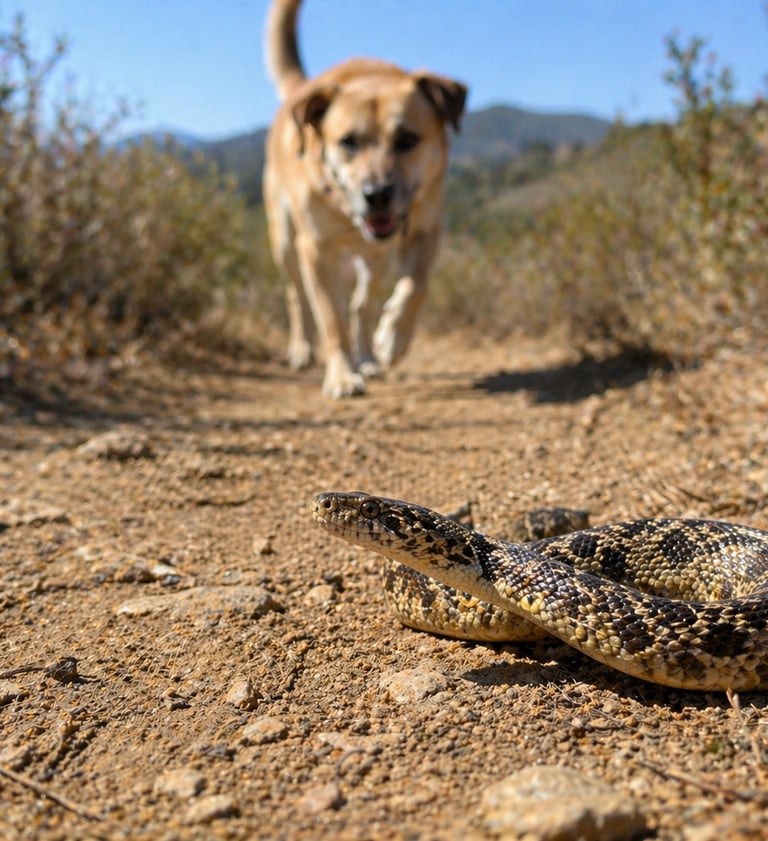
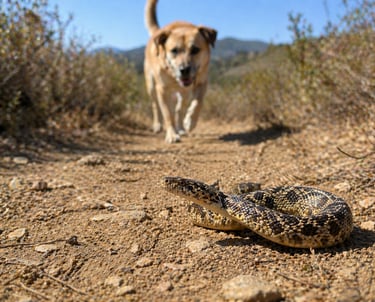
Keep dogs safe with these tips!
7 Critical Rattlesnake Tips to Keep Your Dog Safe
1.Hike at safer times of day when you can
VCA Animal Hospitals notes that rattlesnakes are nocturnal and recommends daytime hiking when it’s safer. VCA’s research summary also says pets are often bitten in the early morning or late at night when snakes are out hunting.
For Southern California in spring, that means it may be smart to rethink dawn and evening walks on brushy trails, especially once days start warming up.
2.Make your yard less inviting to snakes.
Outdoor safety isn’t only about trails. The San Diego Humane Society recommends reducing shelter opportunities around the home by clearing wood piles, rock piles, brush, undergrowth, and building materials, and by keeping lawns mowed so snakes have fewer places to hide.That feels especially relevant here in Southern California, where a backyard encounter can happen even when you’re not doing anything adventurous.
3.Create a dog-safe “snake-reduced” zone at home
San Diego Humane Society also says low rattlesnake-proof fencing can help deter snakes from entering a yard, and notes that even fencing off one pet play area can create a safer zone.If your dog loves sunbathing or patrolling the yard, a designated safer area can be a practical add-on.
4.Carry your dog if you suspect a bite or close encounter
If the worst happens, VCA Animal Hospitals advises carrying your dog instead of letting them walk, keeping them quiet and warm, and trying to keep the bitten area at or below heart level to slow venom spread
5.Remove the collar before swelling starts
One practical tip from AKC Pet Insurance is to remove your dog’s collar right away after a suspected snakebite because swelling can develop quickly, especially around the face and neck.
That’s such a small step, but it’s exactly the kind of detail that’s easy to miss when you’re panicking.
6.Call ahead to make sure the clinic has anti-venin
AKC Pet Insurance also recommends calling the veterinary clinic while you’re on the way so they can confirm whether they have anti-venin or redirect you to a hospital that does. Go to my list of Escondido, San Marcos, Vista, and Fallbrook veterinary hospitals that carry the anti-venin that can save your dog's life. Not all of them have it, and fast intervention is critical.
In a spring emergency, that phone call could save precious time — especially if you’re coming from a trail, canyon, or more rural part of Southern California.
7.Don’t count on a previous bite to “teach a lesson”
VCA’s snakebite research notes that dogs often don’t connect the pain of the bite with the snake itself, and some dogs have even been treated for repeated bites.
For information on how to ensure your dog stays away from rattlesnakes, ready My Dog Rattlesnake Avoidance Training, read how my experience at Suzanne Parker's Doggie School went. (Hint: cool! and helpful.)
If you want to keep getting useful tips like these, please sign up for our monthly newsletter, "Pets Are Magic."
suz@countrysidepetsitting
760-239-9936
© 2025. All rights reserved.








Menu Credentials Contact Us Sign Up for Email